There are an infinite number of beaches, so this year, to determine the
best sandy spots, Travel + Leisure launched its first annual Best
Beaches Survey—and asked savvy travelers to reveal their favorites.
The list started with 54 famous beaches, grouped by type, which voters then ranked. One point came across loud and clear: you don’t have to travel far to experience a spectacular beach. In fact, U.S. beaches won in most categories, from seclusion to people-watching.
In the Caribbean, meanwhile, all-inclusive hotels and endless activities—snorkeling, bodyboarding, sea kayaking—are some of the reasons that families love Seven Mile Beach, in the Cayman Islands.
Read on to find the best beach for your next trip.
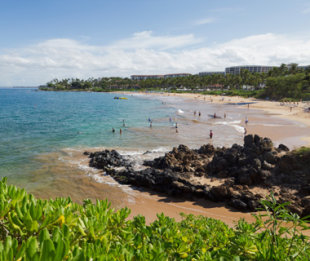 (Photo: iStockphoto)Wailea Beach, Maui, HI
Best for Activities: Thanks to a clutch of mega-hotels along Wailea’s small beach coves, there are plenty of expert guides on hand at this top-ranked beach for activities. They’ll lead the kids on snorkeling, canoeing, and boogie-boarding excursions.
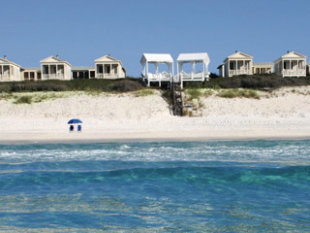 (Photo: Steven Brooke)Seaside Beach, Seaside, FL
Best for Families: Pastel wood-paneled houses border dunes on this picture-perfect Gulf Coast beach, ranked No. 1 for families. After games of waterfront Frisbee, the entire crew can take cruiser bikes into town for a casual seafood dinner.
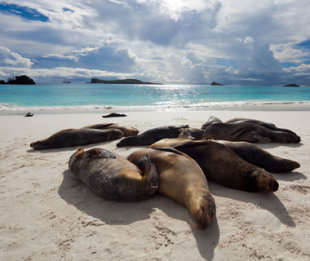 (Photo: B.O'Kane / Alamy)Bahia Gardner, Española Island, Galapagos
Best for Wildlife Viewing: Most travelers visiting Darwin’s famous islands stop at this top-ranked beach, Bahia Gardner, where explorers share the sandy shore with sea lions, red lava lizards, Española mockingbirds, and other native wildlife.
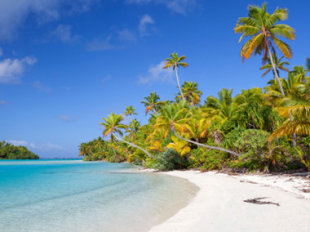 (Photo: iStockphoto)One Foot Island Beach, Cook Islands
Best for Seclusion: There are no permanent residents on One Foot Island, top ranked for seclusion, where travelers can walk through shallow blue waters to long sandbars. Drumbeats at sundown signal the last boat back to neighboring Aitutaki island.
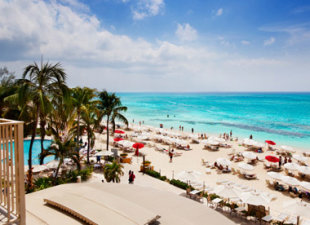 (Photo: iStockphoto)Seven Mile Beach, Grand Cayman
Best for Families: This island’s fine sand and tranquil blue waters would impress any traveler, though parents are especially taken with the all-inclusive hotel options, and kids love the laid-back activities, from snorkeling to shell-hunting, at this second-ranked beach for families.
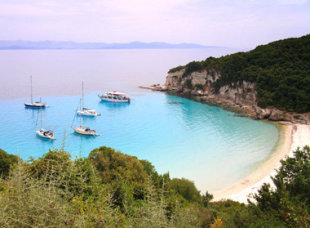 (Photo: Keith Taylor / Alamy)Voutoumi, Anti Paxos, Greece
Best for Seclusion: A top entry in the secluded category is Voutoumi beach on Anti Paxos, the smallest of the Ionian Islands. To get to the remote crescent of white sand surrounded by steep cliffs, take a short boat ride from Paxos Island.
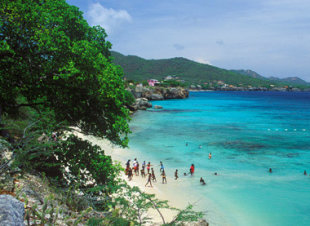 (Photo: Pierre Arsenault / Alamy)Playa Kalki, Curaçao
Best for Activities: Curaçao has seen an influx of visitors thanks to its appearance on NBC’s Bachelorette. But Playa Kalki, a top pick for activities, has long been prized by expert divers for its reefs and limestone coves, home to eagle rays and damselfish.
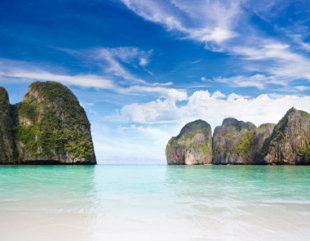 (Photo: iStockphoto)Maya Bay, Ko Phi Phi, Thailand
Best for Dramatic Landscapes: With a ring of white sand surrounded by mangroves and limestone walls blanketed by dense foliage, it's easy to see why this beach on the Andaman Sea nabbed the No. 3 landscape ranking—and why director Danny Boyle chose it for cult-favorite The Beach, starring Leonardo DiCaprio.
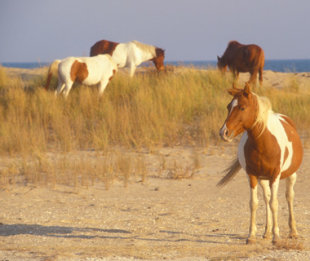 (Photo: Pat & Chuck Blackley / Alamy)Assateague Beach, Virginia
Best for Wildlife Viewing: Rated No. 3 in this category, Virginia’s barrier islands Assateague and Chincoteague are indeed famous for their wild horses and also draw crowds for bird-watching (herons and egrets are common).
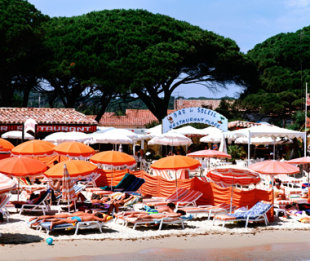 (Photo: AllFive / Alamy)Pampelonne Beach, St.-Tropez, France
Best for People-Watching: One of Europe’s most glamorous shorelines naturally ranked highly in this category. The half moon–shaped beach attracts the champagne-and-high-heels crowd that’s willing to shell out $40 for lounge chairs and umbrellas.
See More of the Best Beaches on Earth
Readmore → Best beaches on Earth
The list started with 54 famous beaches, grouped by type, which voters then ranked. One point came across loud and clear: you don’t have to travel far to experience a spectacular beach. In fact, U.S. beaches won in most categories, from seclusion to people-watching.
In the Caribbean, meanwhile, all-inclusive hotels and endless activities—snorkeling, bodyboarding, sea kayaking—are some of the reasons that families love Seven Mile Beach, in the Cayman Islands.
Read on to find the best beach for your next trip.
(Photo: iStockphoto)Wailea Beach, Maui, HIBest for Activities: Thanks to a clutch of mega-hotels along Wailea’s small beach coves, there are plenty of expert guides on hand at this top-ranked beach for activities. They’ll lead the kids on snorkeling, canoeing, and boogie-boarding excursions.
(Photo: Steven Brooke)Seaside Beach, Seaside, FLBest for Families: Pastel wood-paneled houses border dunes on this picture-perfect Gulf Coast beach, ranked No. 1 for families. After games of waterfront Frisbee, the entire crew can take cruiser bikes into town for a casual seafood dinner.
(Photo: B.O'Kane / Alamy)Bahia Gardner, Española Island, GalapagosBest for Wildlife Viewing: Most travelers visiting Darwin’s famous islands stop at this top-ranked beach, Bahia Gardner, where explorers share the sandy shore with sea lions, red lava lizards, Española mockingbirds, and other native wildlife.
(Photo: iStockphoto)One Foot Island Beach, Cook IslandsBest for Seclusion: There are no permanent residents on One Foot Island, top ranked for seclusion, where travelers can walk through shallow blue waters to long sandbars. Drumbeats at sundown signal the last boat back to neighboring Aitutaki island.
(Photo: iStockphoto)Seven Mile Beach, Grand CaymanBest for Families: This island’s fine sand and tranquil blue waters would impress any traveler, though parents are especially taken with the all-inclusive hotel options, and kids love the laid-back activities, from snorkeling to shell-hunting, at this second-ranked beach for families.
(Photo: Keith Taylor / Alamy)Voutoumi, Anti Paxos, GreeceBest for Seclusion: A top entry in the secluded category is Voutoumi beach on Anti Paxos, the smallest of the Ionian Islands. To get to the remote crescent of white sand surrounded by steep cliffs, take a short boat ride from Paxos Island.
(Photo: Pierre Arsenault / Alamy)Playa Kalki, CuraçaoBest for Activities: Curaçao has seen an influx of visitors thanks to its appearance on NBC’s Bachelorette. But Playa Kalki, a top pick for activities, has long been prized by expert divers for its reefs and limestone coves, home to eagle rays and damselfish.
(Photo: iStockphoto)Maya Bay, Ko Phi Phi, ThailandBest for Dramatic Landscapes: With a ring of white sand surrounded by mangroves and limestone walls blanketed by dense foliage, it's easy to see why this beach on the Andaman Sea nabbed the No. 3 landscape ranking—and why director Danny Boyle chose it for cult-favorite The Beach, starring Leonardo DiCaprio.
(Photo: Pat & Chuck Blackley / Alamy)Assateague Beach, VirginiaBest for Wildlife Viewing: Rated No. 3 in this category, Virginia’s barrier islands Assateague and Chincoteague are indeed famous for their wild horses and also draw crowds for bird-watching (herons and egrets are common).
(Photo: AllFive / Alamy)Pampelonne Beach, St.-Tropez, FranceBest for People-Watching: One of Europe’s most glamorous shorelines naturally ranked highly in this category. The half moon–shaped beach attracts the champagne-and-high-heels crowd that’s willing to shell out $40 for lounge chairs and umbrellas.
See More of the Best Beaches on Earth